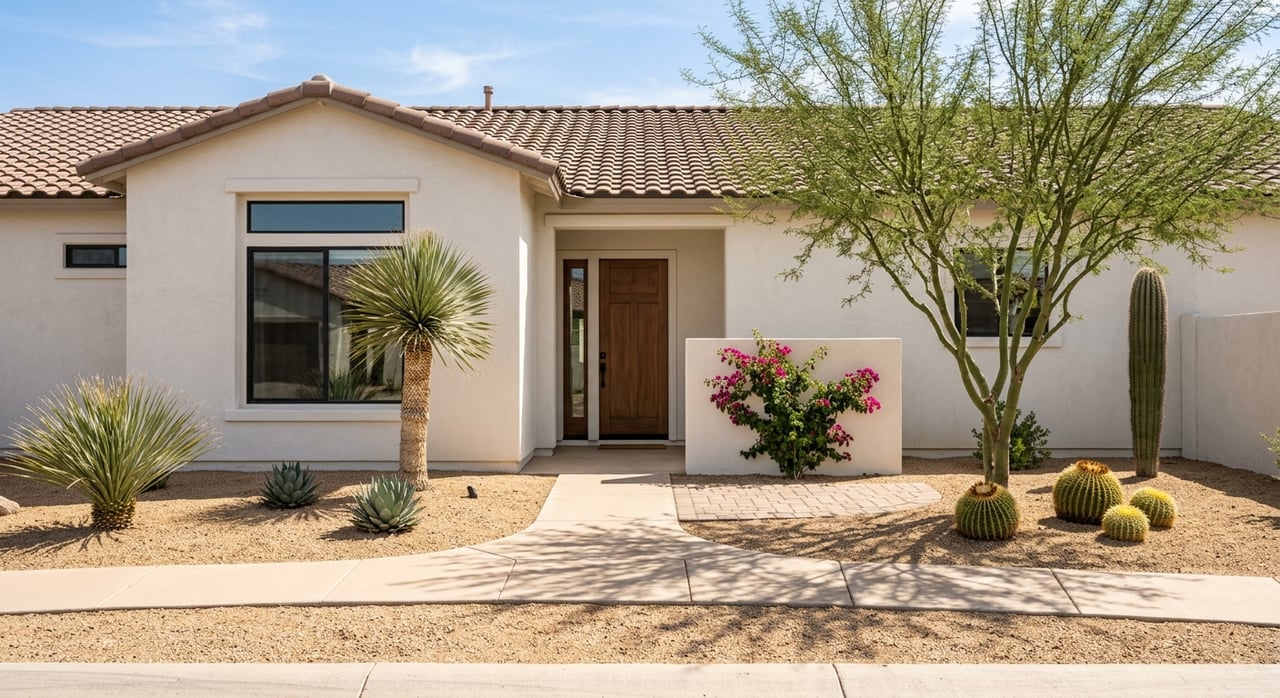
Wondering whether a Phoenix home with historic charm is worth the upkeep, or if a new build is the easier path? You are not alone. Many buyers in Phoenix find themselves choosing between character, convenience, and long-term maintenance. This guide will help you understand the main home styles across Phoenix, what makes each one different, and what to pay close attention to before you buy. Let’s dive in.
Phoenix Home Styles at a Glance
Phoenix has a wide housing mix, from older central-city neighborhoods to postwar ranch subdivisions and newer master-planned communities. The City of Phoenix established the Phoenix Historic Property Register in 1986, and the current residential register includes 36 designated historic districts.
That range gives you real choices. You might be drawn to a bungalow or ranch in an established area, or you may prefer a newer home in a planned community with more recent construction standards. In Phoenix, the right fit usually comes down to your budget, lifestyle, and comfort with maintenance.
Historic Phoenix Homes
Historic neighborhoods in Phoenix often include several architectural styles on the same block. In Garfield, the city identifies Vernacular, Pyramid Cottage, Bungalow, Period Revival, and Ranch homes. In Campus Vista, identified styles include Transitional or Early Ranch, California Ranch, French Provincial, Spanish Colonial, and Mid-Century Modern Ranch.
These homes often stand out for their personality and architectural detail. If you value a strong sense of place and a home that feels distinct, historic areas can be very appealing. They also tend to be in established parts of the city with long-standing neighborhood identity.
What to Know About Older Systems
With older homes, style is only part of the story. Phoenix guidance for historic properties highlights practical energy and comfort updates such as insulation, duct sealing, heat pumps, shade trees, window treatments, and window weatherization or repair.
That means you will want to look closely at the condition of the windows, roofing, HVAC, and insulation. A historic home can be comfortable and efficient, but its current condition matters more than the style name alone.
Historic District Rules in Phoenix
If a home is listed or located in a registered historic district, some exterior changes and demolition requests are reviewed through the City of Phoenix Historic Preservation Office. According to the city, ordinary maintenance usually does not require permission if materials and design stay the same.
More involved exterior work may require a Certificate of Appropriateness. If you are considering a historic property, it is smart to understand those rules early so there are no surprises later.
Ranch Homes in Phoenix
Postwar ranch homes are a major part of Phoenix housing. The city describes Alhambra as an area characterized by small ranch-style homes of the postwar era, and districts like Campus Vista include both Transitional or Early Ranch and California Ranch homes.
For many buyers, ranch homes offer a practical layout and a simpler footprint. Single-level living can be appealing if you want a more straightforward floor plan or just prefer fewer stairs and easier flow from room to room.
Why Ranch Homes Stay Popular
Ranch homes often feel approachable and functional. They can work well for first-time buyers, move-up buyers, and anyone who values an established neighborhood setting.
Still, a ranch home is not automatically low-maintenance just because the layout is simple. In Phoenix, comfort and upkeep still depend heavily on the condition of the roof, windows, insulation, and mechanical systems.
Mid-Century and Postwar Modern Homes
Phoenix has a strong preservation identity tied to postwar architecture. The city’s historic-preservation publications include resources focused on midcentury architecture, and Campus Vista specifically identifies Mid-Century Modern Ranch homes.
These homes often attract buyers who appreciate a recognizable design era and established neighborhood surroundings. Clean lines, large windows, and a distinct architectural feel can make them especially memorable.
What Buyers Should Check
Just like other older homes, mid-century and postwar homes deserve careful review beyond the design appeal. Phoenix guidance for older homes supports paying close attention to efficiency and system performance.
When you tour one of these homes, you will want to focus on HVAC age, insulation, window weatherization, and roof condition. The design may win your heart, but the systems should support your day-to-day comfort.
New Builds and Master-Planned Communities
On the newer end of the market, Phoenix includes single-family homes, duplexes, and townhome projects. The city requires permits for new homes and adopted the 2024 Phoenix Building Construction Code on June 18, 2025, effective August 1, 2025. That code set includes the 2024 International Residential Code and 2024 International Energy Conservation Code.
For buyers, that means newer homes start with a more current code baseline. While no home is guaranteed to be problem-free, newer construction often offers more up-to-date systems and energy standards than many older homes.
Where You See Newer Community Growth
Phoenix villages such as Desert View and Ahwatukee Foothills reflect newer residential growth patterns. Desert View includes condominiums, master-planned communities, and large-lot single-family residences. Ahwatukee Foothills is described by the city as being composed of master-planned communities with desert landscaping, golf courses, and lakes.
Desert Ridge is another major planned area. A city specific plan describes it as an approximate 5,723-acre master-planned community with residential, resort, recreational, and commercial uses.
What to Review in Planned Communities
A newer home may offer turnkey appeal, but the home itself is only part of the picture. In master-planned communities, design guidelines and CC&Rs can shape what you can do with the exterior and how the neighborhood maintains its overall look.
Before buying, review those community rules carefully. You will also want to think about lot size, open space, and the overall housing mix to make sure the setting fits how you want to live.
Phoenix Climate Matters More Than Style
Phoenix is a hot-dry climate, so comfort depends on more than just a home’s age. The research shows that insulation, energy-efficient windows and doors, shading, ventilation, and cool roofs all matter in this kind of climate.
That is why a well-updated older home may feel better than a newer home with weaker heat-management features. In Phoenix, the smartest home choice is usually one where the systems, materials, and upgrades match the climate well.
Monsoon Season Is a Real Factor
Phoenix’s monsoon season officially runs from June 15 to September 30. Because of that, roofing, drainage, flashing, and exterior water management deserve close attention during inspections.
This is important whether you are buying a historic bungalow, a mid-century ranch, or a brand-new home. A property that handles heat well should also be prepared to handle seasonal storms.
How to Compare Phoenix Home Styles
If you are choosing between historic, ranch, mid-century, and new-build homes, try comparing them through a practical lens instead of a purely visual one.
Ask yourself:
- How much maintenance are you comfortable taking on?
- Do you prefer character and established surroundings, or newer systems and a more turnkey feel?
- Are you open to possible review requirements for exterior changes?
- Do you want a planned-community setting with guidelines and shared design standards?
- How important are updated windows, insulation, HVAC, and roofing to your monthly comfort?
Those questions usually lead to better decisions than focusing on style alone.
What Often Drives Resale Appeal
In Phoenix, style alone rarely determines value. Historic homes often compete on character, central location, and neighborhood identity, while newer master-planned homes often compete on newer systems, convenience, and planned-community appeal.
That does not mean one category always outperforms another. It means buyers usually respond to the full package, including condition, location, code status, and how well the home has been maintained over time.
The Best Phoenix Home Style for You
There is no single best home style in Phoenix. A charming historic home may be the right choice if you love architecture and are comfortable evaluating older systems. A ranch or mid-century home may fit if you want an established neighborhood and a more straightforward layout. A new build may make sense if you want current construction standards and a more turnkey starting point.
The key is to match the home’s age, condition, and setting with your real priorities. If you take that approach, you are much more likely to buy a home that feels right not just on day one, but long after move-in.
If you want help comparing Phoenix home styles, narrowing neighborhoods, or evaluating what fits your budget and goals, Lisa Gatchalian offers the kind of steady, detail-oriented guidance that can make the process feel a lot more manageable.
FAQs
What are the most common home styles in Phoenix, Arizona?
- Phoenix buyers commonly encounter historic homes, postwar ranch homes, mid-century or postwar modern homes, and newer construction in master-planned communities.
What should buyers inspect in older Phoenix homes?
- In older Phoenix homes, it is smart to inspect roof condition, attic insulation, window weatherization, HVAC age, drainage ahead of monsoon season, and whether previous changes were properly permitted.
Do historic homes in Phoenix always have renovation restrictions?
- No. In Phoenix historic districts, ordinary in-kind maintenance is usually allowed, but some exterior alterations and demolition requests are reviewed by the city.
Are new-build homes in Phoenix lower maintenance?
- New-build homes in Phoenix generally start with newer systems and a more current code baseline, but buyers should still inspect the home carefully and review any community design rules or CC&Rs.
What should buyers review in Phoenix master-planned communities?
- Buyers in Phoenix master-planned communities should review design guidelines, CC&Rs, lot size, open space, and the overall housing mix to make sure the community fits their needs.
How does Phoenix weather affect home choice?
- Phoenix heat and monsoon weather make insulation, windows, roofing, ventilation, drainage, and exterior water management especially important, no matter which home style you choose.