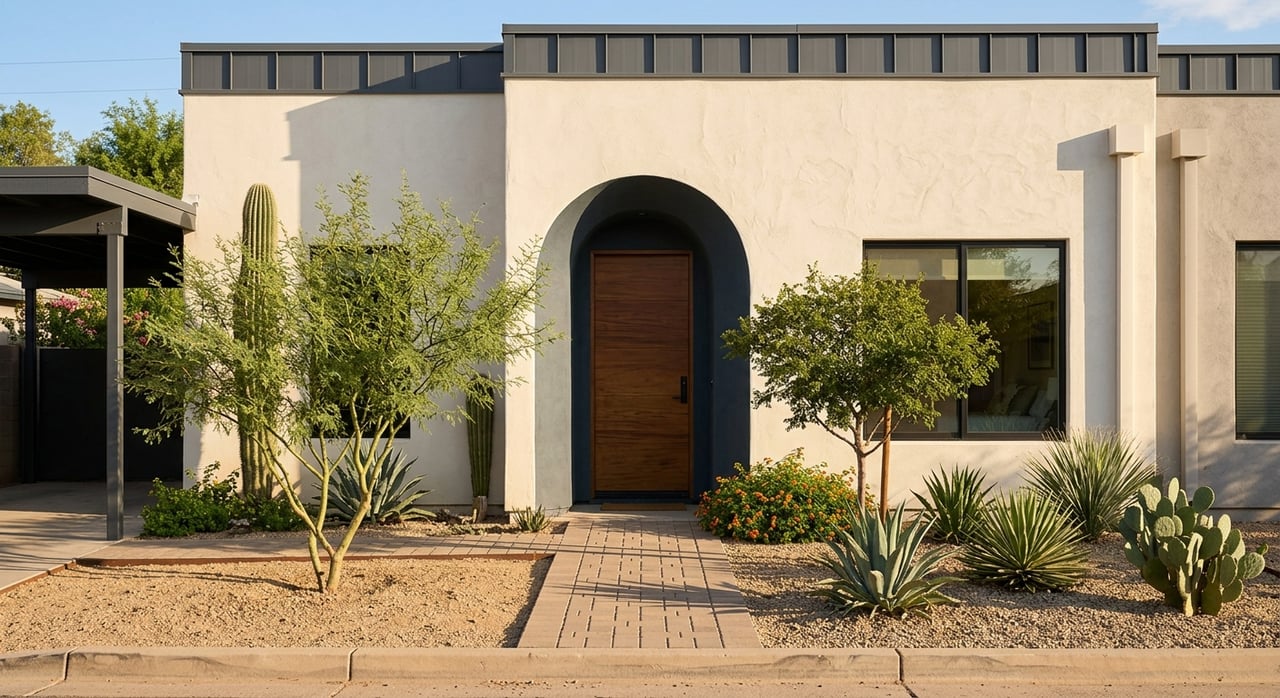
Wondering what day-to-day life really feels like in Phoenix’s urban neighborhoods? If you are weighing a move closer to downtown, you are probably thinking beyond square footage and price. You want to know how it feels to get around, where you might spend your weekends, and what tradeoffs come with living in the city’s close-in districts. This guide will help you picture everyday living in urban Phoenix so you can decide whether it fits your lifestyle. Let’s dive in.
What urban living means in Phoenix
Phoenix urban living is not just one compact downtown surrounded by towers. Phoenix is the fifth-largest city in the U.S. with more than 1.6 million residents, so its urban experience is better understood as a group of close-in neighborhoods and districts inside a very large city.
The city describes Central City Village as Phoenix’s urban center, government and employment center, transportation hub, and cultural and recreational core. Many of the city’s oldest neighborhoods surround downtown, and some are historic districts known for mature trees and older architecture. In practical terms, that means urban Phoenix can offer a mix of established blocks, newer infill, and redevelopment in the same general area.
Housing in close-in Phoenix
If you picture urban Phoenix, think variety. City housing data show a substantial multifamily base, including more than 100,000 units in small multifamily buildings and nearly 98,000 in larger developments.
That mix gives you a wider range of options than you may expect. Depending on the area, you may find condos, townhomes, apartments, older single-family homes, and newer residential projects woven together.
Older housing is more concentrated around downtown. Some downtown census tracts also have vacancy rates above 10%, which helps explain why the area can feel like a blend of long-established neighborhoods, active redevelopment, and changing streetscapes.
What that can mean for you
Living closer to the core may give you access to housing types that are harder to find in some outer neighborhoods. You may also need to be comfortable with older homes, evolving blocks, and a street-by-street experience that can vary more than in a newer master-planned area.
For buyers, that makes local guidance especially helpful. A detail-oriented agent can help you compare not just the property itself, but also the surrounding amenities, transportation options, and the overall feel of the immediate area.
Dining and arts are part of daily life
One of the biggest draws of urban Phoenix is how easy it can be to plug into the city’s food and arts scene. Roosevelt Row and Grand Avenue are at the center of downtown Phoenix’s walkable arts districts, with galleries, independent restaurants, bars, shops, and street art.
The city also connects these districts to long-running local traditions. First Fridays Art Walk and the Downtown Phoenix Farmers Market are recurring events that give the area an active, community-oriented rhythm.
Nearby, Melrose adds more local flavor with antique shops, boutiques, and a growing dining scene. If you enjoy mixing errands, coffee, dinner, and a little browsing into one outing, these districts can make that feel much more natural.
Cultural amenities beyond the street scene
Urban Phoenix is not only about restaurants and murals. The city highlights a broad arts and culture network that includes Phoenix Center for the Arts, Arizona Opera, Phoenix Art Museum, theater and dance institutions, public art, and heritage destinations such as Heritage Square and S’edav Va’aki Museum.
Phoenix Public Library adds another layer to everyday life. With 16 branch libraries, Burton Barr Central Library, a Bookmobile, and free programs and career tools, library access can be a real quality-of-life benefit for residents who want useful services close to home.
Getting around in urban Phoenix
Transportation is one of the clearest differences between urban Phoenix and more spread-out parts of the metro. Valley Metro Rail provides 35 miles of service across Phoenix, Tempe, and Mesa, with service every day of the year, more than 20 hours a day, and 12-minute peak frequency.
Downtown Phoenix is now the transfer point between the A and B lines. That matters if you want an option for commuting, attending events, or reaching destinations in nearby cities without relying on your car for every trip.
Driving is still part of the picture
Even in close-in neighborhoods, Phoenix remains a car-aware city. Many residents still drive regularly for work, errands, and activities, depending on where they need to go.
For downtown trips, the city launched ParkPHX to help people compare and reserve parking, especially for games, shows, restaurants, and nights out. That is useful, but it also reflects a real part of urban living here: event parking pressure can be part of the routine.
Walking and biking options
Phoenix also supports active transportation for walking and biking. One standout feature is the Grand Canalscape, a 12-mile off-street route with lighting, crossings, and neighborhood connections.
If you like building movement into your day, these kinds of routes can make a difference. They may not replace a car entirely, but they can make quick local trips and recreation more accessible.
Commute expectations in the city
A lot of people move closer in because they want a more manageable daily routine. City data show Phoenix’s mean travel time to work is 25.7 minutes, and 62.5% of commuters have trips under 30 minutes.
Your own commute will still depend on where you work and where you live. Still, for many people, being in a close-in location can make everyday travel feel simpler than coming from the outer edges of the metro.
That can be especially appealing if you are relocating and trying to balance work, entertainment, and access to services. Instead of thinking only about miles on a map, it helps to think about how often you want to drive and how many daily needs you want closer to home.
Parks and outdoor access stay close
One surprise for many people is how much outdoor access you can still have while living near the city core. Phoenix has 41,000 acres of desert parks and mountain preserves and more than 200 miles of trails.
Papago Park is just minutes from downtown and combines easy hiking with major attractions like the Phoenix Zoo and Desert Botanical Garden. Encanto Park offers a 222-acre green space in the heart of the city, while South Mountain Park/Preserve spans more than 16,000 acres with over 100 miles of trails.
Outdoor routines in the heat
Of course, Phoenix weather shapes daily life. The city notes that Phoenix is one of the hottest, sunniest cities in the U.S., and it operates a Trail Heat Safety Program to help people use trails safely.
For many residents, that means outdoor routines shift with the seasons and the clock. Early mornings, evenings, and cooler months often become the best times for walks, rides, and hikes.
The everyday tradeoffs to expect
Urban Phoenix has real strengths, but it also comes with practical tradeoffs. The appeal often centers on restaurants, arts, parks, transit, and civic amenities being closer to home.
At the same time, you may be dealing with older housing stock, changing streetscapes, parking demand during major events, and a lifestyle that still often includes driving. For many people, those tradeoffs are worth it because the city feels more connected and activity-rich.
Who tends to enjoy urban Phoenix most
Close-in Phoenix often works well for people who want more access to culture, dining, and public amenities in their day-to-day life. It can also be a strong fit if you are comfortable with a neighborhood experience that feels more mixed and layered than a newer suburban development.
If you are deciding between urban Phoenix and the East Valley or outer suburbs, the right choice often comes down to routine. Think about how you want your weekdays to feel, not just your weekends.
How to decide if it fits your lifestyle
Before you buy or move, try to picture your real habits. Ask yourself where you work, how often you go out, whether transit matters to you, and how much value you place on being near arts, dining, and public spaces.
It also helps to think about the type of home you want. If you are open to condos, townhomes, or older homes with character, your options may open up in close-in Phoenix.
If you want help sorting through those choices, a calm, local guide can make the process much easier. Whether you are buying your first place, relocating, or comparing Phoenix neighborhoods with East Valley options, Lisa Gatchalian can help you weigh the details and move forward with clarity.
FAQs
What is considered an urban neighborhood in Phoenix?
- In Phoenix, urban living usually refers to close-in areas around downtown and Central City Village, including older neighborhoods, arts districts, and nearby residential areas with access to jobs, culture, and transit.
What is everyday transportation like in Phoenix urban neighborhoods?
- Many residents still drive, but close-in Phoenix also offers Valley Metro Rail service, walkable activity districts, downtown parking tools, and active transportation features like the Grand Canalscape.
What kinds of homes are common in urban Phoenix?
- Urban Phoenix includes a mix of condos, townhomes, apartments, multifamily housing, older single-family homes, and newer infill or redevelopment projects.
What are the lifestyle benefits of living near downtown Phoenix?
- Common benefits include easier access to restaurants, arts venues, public libraries, parks, events, and, in some locations, more transportation options.
What tradeoffs come with living in Phoenix’s urban neighborhoods?
- Common tradeoffs can include older housing stock, event-related parking pressure, summer heat, and a daily routine that may still involve regular driving depending on your work and errands.
Are parks and trails accessible from central Phoenix?
- Yes. Close-in residents can access major outdoor spaces such as Papago Park, Encanto Park, and South Mountain Park/Preserve, along with the city’s broader network of preserves and trails.